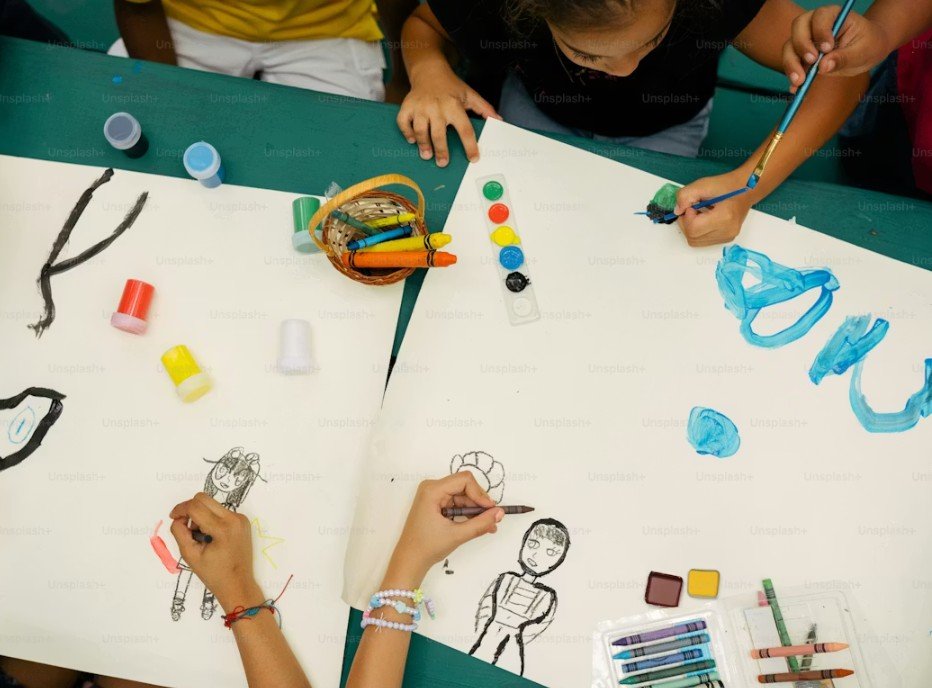
What is Art Therapy?
Art therapy is an established form of psychotherapy, delivered by trained art therapists (also known as art psychotherapists).
Art therapy uses art as the primary mode of expression, alongside talking with an art therapist. It aims to reduce distress and improve social, emotional and mental health by promoting insight, self-compassion and a sense of agency and self-worth.
During art therapy, you are supported by an art therapist to use art to express and articulate often complex thoughts and feelings through art making. This may be following difficult or traumatic experiences which may be hard to talk about.
Who is art therapy suitable for?
Art therapy can help people of all ages and at all stages of life, including those whose life has been affected by difficult personal or cultural experiences, illness and/or disability. You do not need to be skilled in art to benefit from art therapy.
What outcomes have people experienced following art therapy?
Reports from randomised controlled trials suggest that people can experience the following benefits from attending art therapy during or after.
coping better with stress
improved relationships
reduced distress
improved quality of life
improved mood
reduced anxiety or stress
less fatigue
increased spiritual wellbeing
improved emotional awareness and self-acceptance
Art makes me feel happier, something to do with the colours, and you can be or go anywhere with it, it did help me feel safer and accepted. I completely forgot about all the bad stuff when I made art.
(Child, age 13)
See this video animation bellow that describes art therapy with autistic children might look like.
https://youtu.be/jYwh982RVFw?si=YzMvikACpYjId0Ph